

What Is the Capital City of Zimbabwe and Why Bulawayo Still Deserves a Spot on Your Itinerary
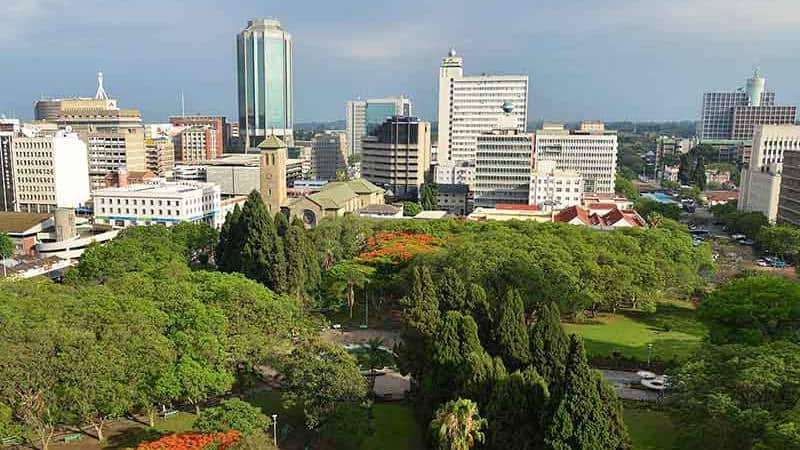
What is the capital city of Zimbabwe? Harare is the capital city of Zimbabwe. That’s the direct answer, and it’s correct. Harare sits in the country’s northeast, holds the president’s office, houses parliament, and anchors Zimbabwe’s financial system. If you came here for that confirmation, you have it.
But here’s what most travel articles skip: Zimbabwe rewards travelers who look beyond the capital. Roughly 440 kilometers southwest, by road, sits Bulawayo, Zimbabwe’s second city. Many visitors who spend time there end up rearranging their plans to stay longer. The history runs deeper, the pace is slower, and the landscapes nearby are genuinely unlike anything else in the region: ancient granite formations, San rock paintings, and the highest rhino density in the country, all within a short drive.
The Bulawayo Publicity Association has been connecting visitors to this city since 1932. That’s nearly a century of helping people discover what they almost missed. This article gives you the Harare facts you searched for, then makes the case for adding Bulawayo to your itinerary.
Harare, the Capital City of Zimbabwe: Direct Answer and Basic Facts
Where exactly Harare sits in Zimbabwe
Harare occupies the northeastern corner of Zimbabwe, within Harare Metropolitan Province in the broader Mashonaland region. Its geographic coordinates place it at approximately 17.83°S, 31.05°E. The city sits on a high plateau at roughly 1,483 meters above sea level, which moderates its temperatures considerably compared to lower-lying parts of the country. Expect warm days and cool nights for most of the year, with a rainy season running from November through March.
Population and The City’s Footprint
According to Zimbabwe’s 2022 national census, Harare city proper has a population of 1,491,754. The broader Harare Province reaches 2,427,231 people. Those numbers make Harare the largest city in Zimbabwe by a considerable margin, and that scale is a core reason it holds the capital role. It’s not just the political center; it’s the country’s most populated urban area.
From Fort Salisbury to Harare: A Brief History of Zimbabwe’s Capital City
Founded as Fort Salisbury in 1890
British settlers established Fort Salisbury in 1890 as an administrative and military outpost. Over the following decades it grew into the commercial and governing center of Southern Rhodesia. The city’s infrastructure, colonial institutions, and settler population made it the natural seat of power throughout that era, and it retained that role as the country moved toward independence.
The 1982 Renaming and What It Meant
Zimbabwe gained independence on April 18, 1980, but the capital kept its colonial name for two more years. On April 18, 1982, the city was officially renamed Harare, derived from Chief Neharawa, a local Shona leader whose village once occupied the area. The renaming was a deliberate act of postindependence identity. It drew a clean line between the colonial name “Salisbury” and the new Zimbabwe, while the city’s administrative function stayed exactly the same.
What Harare Actually Does as The Country’s Capital
The Political and Administrative Center
Harare houses Zimbabwe’s President’s office, Cabinet, Parliament, the High Court, and the Court of Appeal. All major national ministries operate from the city. Foreign embassies concentrate here, and Robert Gabriel Mugabe International Airport connects Harare to destinations across Africa and beyond. For governance and diplomacy, everything routes through Harare.
Economic Weight and Financial Institutions
Harare generates an estimated 34 to 40 percent of Zimbabwe’s GDP. The Reserve Bank of Zimbabwe is headquartered here, alongside the country’s major banking, insurance, and commercial institutions. The concentration of capital and institutions here is a plausible reason international business travelers tend to make Harare their first stop, even when the rest of their itinerary takes them elsewhere. It is, functionally, where Zimbabwe’s economic decisions get made.
Why Bulawayo if Harare Is the Capital City of Zimbabwe?
Bulawayo’s Status as Zimbabwe’s Second City
Bulawayo is Zimbabwe’s second-largest city, with a population of approximately 666,000 according to the 2022 census. Before colonization, it served as the capital of the Matabele Kingdom under King Lobengula. By the early colonial period it had already become an early adopter of electricity, a signal of the infrastructure investment that shaped its growth. Today, Bulawayo remains the country’s industrial and railway hub, which gives it an economic and cultural footprint that outpaces what its population size alone would suggest.
Why Visitors Keep Asking About Bulawayo
Travelers researching Zimbabwe trips encounter Bulawayo repeatedly: it appears in discussions of safari access, colonial-era architecture, world-class museums, and Ndebele cultural history. Some visitors assume a city this prominent must be the capital of Zimbabwe. It isn’t, but the confusion is understandable. Bulawayo’s reputation travels well beyond its administrative status, and that reputation is grounded in real, specific things worth seeing.
Reasons Bulawayo Belongs on Your Zimbabwe Itinerary
Museums and Cultural Heritage Worth the Trip
The Natural History Museum of Zimbabwe in Bulawayo is widely regarded as one of the most significant natural history museums in the region, with exhibits covering Zimbabwe’s wildlife, geology, fossils, ethnographic collections, and mining heritage. The National Railways of Zimbabwe Museum gives visitors a rare look at steam-era railway history that shaped southern Africa’s infrastructure, including Cecil Rhodes’ personal rail coach. For anyone drawn to history and culture beyond safari experiences, Bulawayo delivers a depth that is hard to match.
Outdoor Adventures Rooted in Deep Time
Matobo Hills, a UNESCO World Heritage Site located about 30 to 35 kilometers south of Bulawayo, is one of the most visually striking landscapes in Africa. Ancient granite formations, San rock paintings thousands of years old, and the highest concentration of black and white rhino in Zimbabwe all coexist within this single park. The area also holds the grave of Cecil John Rhodes and sites tied to Matabele spiritual traditions. For outdoor travelers, Matobo alone justifies the detour from Harare.
Festivals and A Live Arts Scene
Bulawayo hosts the Inxwala festival, the Ndebele first-fruits and kingship ceremony, which typically takes place in January or February each year, though the exact timing follows the rains and lunar calendar. The festival centers on renewal, harvest, and cultural continuity, and it draws visitors looking for something authentic rather than staged. The downtown is compact enough to walk in an afternoon, and the pace reflects a city that hasn’t been engineered for business tourism, which is precisely what makes it interesting.
How the Bulawayo Publicity Association Helps You Plan Your Visit
What Bpa Offers First-Time Visitors to Bulawayo
The Bulawayo Publicity Association has served as the city’s official information center since 1932. It provides visitors with maps, curated attraction guides, accommodation recommendations, and itinerary suggestions tailored to different interests, history, wildlife, culture, or business travel. For anyone arriving in Bulawayo without a solid plan, BPA is the first stop, not an afterthought. Ask the team which Matobo guide knows the rock painting sites by name; that kind of on-the-ground detail is exactly what they’re there for.
Connecting Visitors to Vetted Local Businesses
BPA runs a membership program that connects visitors directly to local tour operators, guesthouses, and restaurants with roots in the city. Instead of sifting through generic review platforms, visitors can rely on BPA’s network of member businesses, all connected to the city’s wider promotional ecosystem. The association also publishes a regular newsletter and blog covering events, new openings, and seasonal highlights across Bulawayo and its surrounding districts. If something is happening in the city worth knowing about, BPA covers it.
The Full Picture: Harare Confirmed, Bulawayo Reconsidered
Zimbabwe’s seat of government is Harare, a city of roughly 1.5 million people with more than a century of history as the country’s political and economic center. That question is settled. Harare is where Zimbabwe governs itself, lanages its finances, and connects to the world.
But the larger takeaway is that Zimbabwe rewards travelers who look past the first answer. Bulawayo offers something genuinely different: a slower pace, richer heritage, significant museums, and a UNESCO landscape right on its doorstep. If your itinerary currently ends in the Zimbabwe capital city of Harare, you’re leaving out one of the more distinctive cities in southern Africa.
The Bulawayo Publicity Association has been helping visitors discover the city since 1932, long enough to know which questions travelers ask and exactly where to send them. Stop by the information center when you arrive, explore the blog and newsletter before you go, or reach out to the team directly. Bulawayo is worth knowing, and BPA makes sure you don’t have to figure it out alone.
Frequently Asked Questions About Zimbabwe’s Capital City
What is the capital city of Zimbabwe?
Harare is the capital city of Zimbabwe. It has served as the country’s seat of government since independence in 1980 and was officially renamed from Salisbury to Harare on April 18, 1982.
Is Bulawayo the capital of Zimbabwe?
No. Bulawayo is Zimbabwe’s second-largest city and its industrial and railway hub, but the capital of Zimbabwe is Harare. Bulawayo was historically the capital of the Matabele Kingdom, which may contribute to the confusion.
How far is Bulawayo from Harare?
Bulawayo is roughly 440 kilometers from Harare by road, making it a manageable extension to any Zimbabwe itinerary, either by coach, rail, or a short domestic flight.


